

When choosing the best AI Smart TVs, the most important thing is identifying models that offer a balance of picture quality, intelligent features, performance, and affordability. Consider essential factors such as display technology, AI-powered picture enhancement, voice control, smart entertainment platforms, gaming capabilities, and audio quality to determine which features provide practical benefits to different users.
The purpose of this guide is to help you compare the key features, advantages, and disadvantages of AI Smart TVs and understand what to look for before making a purchase.
I will examine how these televisions cater to different needs, including movie watching, gaming, streaming, sports viewing, and home décor. I also highlight important considerations such as software reliability, connectivity, screen size, and overall value for money.
By explaining these factors clearly and practically, I aim to help you make an informed purchasing decision and choose an AI Smart TV that suits your viewing preferences, household needs, and budget.
Best AI Smart TVs at a Glance
|
AI Smart TV |
Best Category |
Main Strength |
|---|---|---|
|
Best Overall |
Combines OLED picture quality, AI processing, gaming capabilities, and smart features. |
|
|
Best for AI Picture Enhancement |
Features Alpha 9 AI Processor Gen8 and OLED technology for detailed, vivid images. |
|
|
Best for Large Screen Entertainment |
Offers QD-Mini LED technology, gaming features, and screen sizes suited to immersive viewing. |
|
|
Best Premium Option for Movie Lovers |
Combines QD-OLED picture quality, AI image processing, and Google TV for cinematic entertainment. |
|
|
Best for Art and Home Décor |
Combines a Hi-Matte display, AI lighting adjustments, and more than 1,000 included artworks. |
How We Settled on These Best AI Smart TVs
Our selection process focused on how effectively each television combines picture quality, artificial intelligence, smart functionality, gaming performance, and everyday convenience.
Picture Quality and Display Technology: We considered resolution, display technology, color reproduction, contrast, HDR support, and motion handling. We looked at how each model’s display technology could support detailed movie viewing, sports, gaming, and everyday streaming, while also considering features designed to improve viewing in different lighting conditions.
AI Features and Picture Processing: We examined the available AI processing technologies, including picture enhancement, ambient light adjustment, motion processing, and personalized content recommendations. We prioritized practical applications that could improve viewing comfort, help optimize image presentation, or simplify content discovery rather than relying on AI branding alone.
Smart Platforms and Ease of Use: The televisions were assessed using their stated smart TV platforms, voice control options, streaming capabilities, and interface features. We also considered how easily users could access entertainment, control compatible devices, and personalize their viewing experience.
Gaming and Motion Performance: Refresh rates, variable refresh rate support, low-latency gaming features, and motion enhancement were important considerations. These specifications helped establish which televisions could suit users who enjoy console or PC gaming, fast-moving sports and action content.
Audio, Connectivity and Design: We considered built-in sound capabilities, HDMI and USB connections, wireless streaming support, mounting options and overall design. Features such as slim profiles, anti-glare finishes and art-display modes were relevant because a television should fit its intended room as well as meet entertainment needs.
Value, Limitations and Suitability: Finally, we weighed the advertised features against practical considerations, including available screen sizes, included accessories, reported software concerns and potential audio limitations. Where customer feedback was provided, both positive experiences and reported problems informed the assessment.
Our final choices reflect different priorities rather than a single definition of the best AI Smart TV. The goal was to highlight options for viewers seeking premium picture quality, gaming performance, flexible smart features, stylish design, or an art-inspired display.
This approach helps you choose a television based on your room, budget, and entertainment habits, while recognizing that specifications and reported user experiences do not guarantee identical results for every household.
Best AI Smart TVs
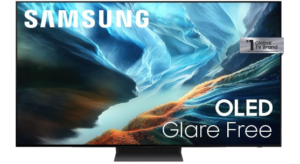
1) Samsung S90H Series (42 -83-Inch), OLED, 4K, Smart TV
Get it on Amazon
The Samsung S90H Series OLED 4K Smart TV (42–83 inches) is one of the best AI Smart TVs, combining AI-powered picture processing, modern smart features, and advanced gaming capabilities. Designed for immersive home entertainment, this television delivers detailed visuals, rich colors, and deep blacks through its OLED display technology. With multiple screen sizes available, it caters to different room layouts and viewing preferences.
The S90H series features the NQ4 AI Gen3 processor, powered by 128 neural networks on applicable models. Its 4K AI Upscaling Pro technology enhances lower-resolution content for a sharper viewing experience. AI Motion Enhancer Pro improves the clarity of fast-moving scenes, making sports broadcasts and action films easier to follow. Auto HDR Remastering enhances compatible non-HDR content, while Vision AI adjusts picture settings according to detected scenes.
OLED HDR+ technology on selected sizes produces deep blacks and strong contrast. Glare Free technology helps reduce distracting reflections, making the TV suitable for bright living rooms. Color Booster Pro further enhances color presentation for movies, television shows, and streaming content.
For gamers, select models support a native 165Hz refresh rate, variable refresh rate technology, NVIDIA G-SYNC, and AMD FreeSync Premium Pro. These features help deliver smoother gameplay with reduced screen tearing. Compatible consoles can also benefit from 4K gaming at up to 120Hz.
Samsung’s Tizen operating system provides access to smart entertainment features, while built-in Alexa offers voice-control convenience. Multiple HDMI 2.1 ports support modern gaming equipment and connected devices. The slim design complements contemporary interiors, and the integrated Dolby Atmos audio system provides a convenient sound solution for everyday viewing.
Best for: This TV suits gamers who want responsive gameplay, sports fans who value motion clarity, and movie enthusiasts who appreciate OLED contrast. It also suits households with bright living rooms where screen reflections can interfere with viewing. Budget-conscious buyers may prefer a less expensive option, while users seeking cinema-quality sound may want a separate soundbar.
Buyers should check the specifications of their chosen screen size carefully. The 42-inch and 48-inch versions have standard OLED HDR rather than OLED HDR+, and the 42-inch model lacks G-SYNC support. Some users may also find Tizen’s menus crowded, and reports of occasional glitches and panel defects suggest that warranty coverage deserves attention.
Overall, the Samsung S90H Series is a compelling premium AI smart TV for gaming, sports, and home cinema, particularly in its larger, fully equipped configurations.
Key Specifications
- Display: OLED; OLED HDR+ on selected sizes
- Resolution: 4K Ultra HD (3840 × 2160)
- AI processor: NQ4 AI Gen3 on applicable models
- Refresh rate: Up to 165Hz native
- HDR formats: HDR10+, HDR10, HLG
- Gaming: HDMI 2.1, G-SYNC and FreeSync support on applicable models
- Audio: 2.2-channel, 40W, Dolby Atmos
- Smart platform: Tizen with Alexa built-in
Pros
- Deep blacks and vivid OLED colors
- AI-assisted upscaling and motion enhancement
- Glare reduction for brighter rooms
- Smooth gaming features on selected models
- Multiple connectivity options and smart functions
Cons
- Premium pricing, especially for larger screens
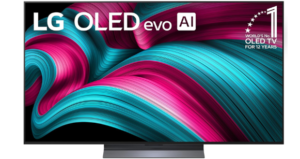
2) LG OLED evo AI C5 Series (42- 83 inch) TV
Get it on Amazon
The LG OLED evo AI C5 Series (42–83 inches) is a premium 4K smart television designed for immersive entertainment, intelligent picture processing, and responsive gaming. Featuring OLED technology, an advanced AI processor, and the webOS 25 platform, it combines impressive picture quality with personalized smart features. Its range of screen sizes makes it suitable for bedrooms, living rooms, and dedicated home entertainment spaces.
The LG C5 uses the Alpha 9 AI Processor Gen8 to analyze content and optimize picture and sound settings. Its AI Super Upscaling technology enhances lower-resolution content, improving viewing clarity depending on the original source. With 8.3 million self-lit pixels, the OLED evo display produces deep blacks, detailed shadows, and vibrant colors.
Brightness Booster technology enhances pixel brightness, while AI-powered tone mapping adjusts contrast and brightness across individual scenes. The television is also verified by UL for reduced discomfort glare, making it suitable for various lighting conditions. Dolby Vision enhances supported content with detailed color and contrast, while Dolby Atmos creates a more immersive audio experience. FILMMAKER MODE preserves a film’s intended presentation.
The webOS 25 smart platform simplifies streaming and content discovery through personalized recommendations and voice control. Built-in Alexa allows hands-free operation, while AI Concierge can suggest content based on viewing preferences. Screen-sharing features include Google Cast and Apple AirPlay 2, subject to device compatibility.
Gaming is another major strength. The C5 offers a native 120Hz refresh rate, with variable refresh rate support up to 144Hz for compatible PC gaming. Its 0.1ms response time, four HDMI 2.1 ports, NVIDIA G-SYNC, and AMD FreeSync Premium support smooth, responsive gameplay. Game Dashboard and Game Optimizer provide convenient access to gaming settings.
Best for: This television suits movie enthusiasts, competitive gamers, sports fans, and households seeking premium smart entertainment. Its OLED picture quality benefits dark-room movie viewing, while its glare-management features support brighter spaces. Multiple HDMI 2.1 ports are useful for connecting gaming consoles and other equipment.
However, buyers should consider their budget, and those seeking more powerful home-cinema audio may prefer a separate sound system. The advertised 144Hz capability also requires compatible PC hardware.
Overall, the LG OLED evo AI C5 Series is a compelling choice among premium AI smart TVs, combining intelligent picture enhancement, cinematic display technology, and advanced gaming features in a sleek design.
Key Specifications
- Display: OLED evo with 8.3 million self-lit pixels
- Resolution: 4K UHD (3840 × 2160)
- Processor: Alpha 9 AI Gen8
- Refresh rate: Native 120Hz, VRR up to 144Hz
- HDR: Dolby Vision, HDR10, HLG
- Response time: 0.1ms
- Gaming: NVIDIA G-SYNC, AMD FreeSync Premium
- Smart platform: webOS 25 with Alexa
- Connectivity: Four HDMI 2.1 ports
Pros
- Deep blacks and vibrant OLED colors
- AI-enhanced picture and sound processing
- Dolby Vision and Dolby Atmos support
- Responsive gaming with advanced VRR features
- Personalized streaming and voice control
Cons
- Built-in audio may not satisfy dedicated home-cinema enthusiasts
3)TCL QM6K Series (58-98inch) Smart TV

Get it on Amazon
The TCL QM6K Series Smart TV (50–98 inches) combines AI-powered picture processing, QD-Mini LED backlighting, and Google TV features for an engaging home entertainment experience. Available in several screen sizes, it offers 4K Ultra HD resolution, enhanced color reproduction, and gaming-focused performance. Its combination of advanced display technology and practical smart features makes it an appealing option for users seeking an AI smart TV for everyday entertainment.
The TCL QM6K uses the AiPQ Pro processor to analyze scenes and adjust picture characteristics, including brightness, contrast, and color. Its AI-assisted processing aims to improve the viewing experience across movies, streaming programs, and live sports. QD-Mini LED and QLED technologies combine local dimming with quantum-dot color reproduction to deliver detailed images, rich colors, and improved contrast.
With peak brightness specified at up to 1,000 nits and a Halo Control system offering up to 500 local dimming zones, the television is designed to manage bright highlights and darker scenes. Support for Dolby Vision, HDR10+, HDR10, and HLG provides compatibility with several HDR formats. The screen’s reflection-reducing finish can also benefit rooms with considerable ambient light.
The QM6K is well suited to gaming, particularly in sizes from 65 inches upward. These models support a native 144Hz refresh rate and Game Accelerator 288 variable refresh rate technology. Compatible gaming setups can benefit from AMD FreeSync Premium Pro and dedicated Game Mode features. The 50-inch and 55-inch versions instead offer a native 120Hz refresh rate and Game Accelerator 240.
Google TV provides access to streaming applications, personalized recommendations, and voice search. Google Cast and Apple AirPlay 2 allow compatible devices to stream content to the television, while Alexa and Google Assistant compatibility adds convenient voice control. The integrated 2.1-channel Onkyo audio system includes a subwoofer and supports Dolby Atmos and DTS.
Best for: This television is suitable for gamers, sports enthusiasts, and families looking for a large-screen 4K smart TV with AI-assisted picture enhancements. Its brightness and reflection management make it practical for everyday viewing in brighter rooms. Budget-conscious buyers who want advanced display and gaming features may also appreciate its specifications.
However, some owners report occasional software glitches and power-related problems. The stand’s backward lean may concern certain users, while the built-in speakers might not provide the immersive sound desired for a dedicated home theater. Picture settings may also require adjustment to achieve preferred results.
Overall, the TCL QM6K is a versatile AI smart TV offering capable picture processing, high refresh rates on larger models, and useful streaming features, although buyers should check the specifications of their chosen size and review warranty coverage.
Key Specifications
- Display: QD-Mini LED and QLED
- Resolution: 4K UHD (3840 × 2160)
- Processor: TCL AiPQ Pro
- Native refresh rate: 120Hz or 144Hz, depending on size
- Peak brightness: Up to 1,000 nits
- HDR formats: Dolby Vision, HDR10+, HDR10, HLG
- Gaming: VRR and AMD FreeSync Premium Pro on supported models
- Smart platform: Google TV
- Audio: 2.1-channel Onkyo system with built-in subwoofer
Pros
- AI-assisted scene and picture optimization
- Detailed 4K images and vibrant QLED colors
- High refresh rates on larger models
- Google TV, voice control, and device casting
- Multiple HDR formats and gaming features
Cons
- Smaller sizes have lower refresh rates and fewer gaming capabilities
4) Sony 55/65 Inch BRAVIA 8 II QD OLED 4K HDR Smart TV

Get it on Amazon
The Sony BRAVIA 8 II QD-OLED 4K HDR Smart Google TV, available in 55-inch and 65-inch sizes, is a premium television designed for cinematic entertainment, intelligent picture enhancement, and responsive gaming. Combining quantum dot OLED technology with Sony’s XR Processor and AI capabilities, it delivers rich colors, deep blacks, and detailed 4K visuals. Its sleek design and Google TV platform make it an attractive option for modern home entertainment systems.
The BRAVIA 8 II features more than eight million self-lit pixels, allowing precise control over individual pixels for deep blacks and detailed contrast. Its Quantum Dot panel and XR Triluminos Max technology reproduce a broad range of colors for realistic-looking images. The XR Processor with AI analyzes scenes in real time, optimizing color, contrast, and clarity according to the content.
XR Clear Image enhances lower-resolution material by reducing noise and restoring details, although results depend on the original source. Dolby Vision and HDR10 support improve compatible content, while studio-calibrated picture modes for Netflix, Prime Video, and Sony Pictures Core help preserve the intended cinematic presentation. IMAX Enhanced, Dolby Atmos, and DTS support further enhance the home movie experience.
Google TV brings streaming applications and personalized recommendations together in one interface. Google Assistant enables voice searches and convenient TV control, while Apple AirPlay 2 and Google Cast support content sharing from compatible devices. Sony Pictures Core also provides access to selected movies, with four movie credits included according to the supplied product information.
For gaming, the BRAVIA 8 II offers a native 120Hz refresh rate, low response time, HDMI 2.1 connectivity, and variable refresh rate support. Dedicated PlayStation 5 features make it particularly appealing to console gamers seeking responsive gameplay and detailed graphics.
Best for: This television is best suited to movie enthusiasts, PlayStation 5 owners, and viewers who prioritize accurate colors, OLED contrast, and sophisticated image processing. It works particularly well in moderately lit or darker rooms where its contrast can be appreciated. However, its premium price, limited size selection, and mixed reports about brightness and audio may concern some buyers. A soundbar may be worthwhile for those seeking more powerful home-cinema sound.
Overall, the Sony BRAVIA 8 II is a strong contender among premium AI smart TVs, combining QD-OLED picture quality, intelligent upscaling, cinematic formats, and advanced gaming features.
Key Specifications
- Display: QD-OLED
- Resolution: 4K UHD (3840 × 2160)
- Processor: Sony XR Processor with AI
- Refresh rate: Native 120Hz
- HDR: Dolby Vision, HDR10, HLG
- Gaming: VRR, HDMI 2.1, PlayStation 5 features
- Audio: Acoustic Surface Audio+ with Dolby Atmos and DTS
- Smart platform: Google TV with Google Assistant
- Connectivity: Four HDMI 2.1 ports
Pros
- Deep blacks and rich quantum dot colors
- AI-enhanced upscaling and scene optimization
- Studio-calibrated cinematic picture modes
- Google TV with voice search and casting
- Gaming features suited to PlayStation 5
Cons
- Premium pricing
5) Hisense 55-85 inch Hi-QLED S7 Canvas TV Series 4K UHD Google Smart Art TV

Get it on Amazon
The Hisense 55–85-inch Hi-QLED S7 CanvasTV Series 4K UHD Google Smart Art TV combines home entertainment with a framed art display. Available in multiple screen sizes, this AI-enabled television is designed for users who want a modern TV that complements their interior décor even when it is switched to art mode. Its included teak frame and UltraSlim wall mount help create a gallery-inspired appearance.
The CanvasTV features a 4K UHD resolution of 3840 × 2160, delivering detailed images and vibrant colors through QLED technology. Its Hi-Matte screen is designed to reduce reflections from sunlight and indoor lighting, making it suitable for living rooms with bright windows. An AI ambient light sensor automatically adjusts brightness and color temperature according to the room’s lighting, helping maintain a comfortable viewing experience throughout the day.
One of the TV’s main attractions is its Art Mode, which provides access to more than 1,000 curated artworks without requiring a subscription. Users can also display personal photographs and customize their collections. Motion detection can activate the screen when someone enters the room and switch it off when the space is empty, helping reduce unnecessary power use.
Google TV brings streaming services, personalized recommendations and voice search together in one interface. With Hey Google voice control, Google Cast and AirPlay support, users can search for entertainment and stream compatible content from mobile devices.
A native 144Hz refresh rate supports fluid motion during gaming, sports and action scenes. Variable refresh rate, Auto Low Latency Mode and AMD FreeSync Premium provide additional gaming support through compatible connections. MEMC motion processing helps reduce visible blur during fast-moving content.
The built-in 2.0.2-channel audio system delivers 36 watts of output and supports DTS Virtual and Dolby Atmos-compatible audio formats. While suitable for everyday entertainment, users seeking a more expansive sound experience may prefer an external soundbar.
Best for: This Hisense AI Smart TV suits art enthusiasts, design-conscious homeowners, gamers and families who want streaming entertainment in a bright room. However, reports of occasional interface lag or freezing are worth considering, and wall mounting may require assistance due to the screen’s size.
Overall, the Hisense CanvasTV S7 is a versatile choice for shoppers seeking an AI Smart TV that combines 4K entertainment, gaming features and a home art gallery. Check the specific screen size and software experience before purchasing to ensure it suits your room and viewing needs.
Key Specifications
- Screen sizes: 55, 65, 75 and 85 inches
- Resolution: 4K UHD (3840 × 2160)
- Display: Hi-QLED with Hi-Matte finish
- Refresh rate: Native 144Hz
- HDR: Dolby Vision, HDR10+ and HDR10
- Smart platform: Google TV
- Gaming: VRR, ALLM and AMD FreeSync Premium
- Audio: 2.0.2-channel, 36W
- Connectivity: Four HDMI 2.1 ports and two USB ports
Pros
- More than 1,000 free artworks
- Anti-glare display for brighter rooms
- AI lighting and motion detection
- Smooth 144Hz gaming performance
- Teak frame and wall mount included
Cons
- Built-in audio may not satisfy everyone
Next Read: 8 Best Full HD Monitors for Gaming
Factors to Consider When Choosing the Best AI Smart TVs
AI Smart TVs combine advanced picture processing, intelligent features, and connected entertainment to improve the viewing experience. However, the best choice depends on your budget, viewing habits, room conditions, and preferred activities.
When comparing options, consider these five important factors to find a television that offers the right balance of performance, convenience, and value.
Picture Quality and Display Technology
Picture quality is essential when choosing an AI Smart TV. Consider the resolution, color accuracy, contrast, HDR support, and display technology, such as OLED, QD-OLED, QLED, or QD-Mini LED.
AI picture processing can enhance image presentation, while ambient light sensors adjust brightness and color temperature to suit the room. If you watch TV in a bright living room, an effective anti-glare screen may also improve viewing comfort.
AI Features and Smart Capabilities
Evaluate how the television uses artificial intelligence to improve everyday entertainment. Useful features include automatic picture adjustments, motion enhancement, personalized content recommendations, and voice control. Some models also use motion sensors to activate the display when someone enters the room and switch it off when the room is empty.
Focus on AI functions that provide practical benefits and match your needs rather than choosing a TV based on the number of advertised features.
Gaming Performance and Refresh Rate
For gamers and sports enthusiasts, refresh rate and motion handling can make a significant difference. A TV with a native 120Hz or 144Hz refresh rate can deliver smoother motion when displaying compatible content.
Features such as Variable Refresh Rate (VRR), Auto Low Latency Mode (ALLM), and AMD FreeSync Premium can further improve gaming performance with compatible devices. Check the HDMI specifications and supported gaming features to ensure the television meets your console or PC requirements.
Smart Platform, Connectivity and Ease of Use
A suitable AI Smart TV should make accessing entertainment straightforward. Consider the operating system, streaming applications, voice assistant, personalized recommendations, and interface responsiveness.
Platforms such as Google TV offer content discovery and voice search, while casting technologies allow compatible phones and tablets to stream content to the television. Also check Wi-Fi connectivity, HDMI and USB ports, and compatibility with your existing devices before making a decision.
Price, Audio Quality and Overall Value
Compare the purchase price with the television’s features, screen size, warranty, audio performance, and included accessories. Some models include wall mounts or decorative frames, while others may require additional purchases. Built-in speakers can suit everyday viewing, but a soundbar may be preferable for more immersive audio.
It is also worth considering software reliability, installation requirements, and potential maintenance costs. The best-value option is one that meets your needs without exceeding your budget.
Before purchasing, prioritize the features you will use most often. Balancing picture quality, useful AI functions, gaming performance, smart connectivity, and overall cost will help you choose an AI Smart TV suited to your home and entertainment preferences.
Next Read: What does Smart TV mean?
Advantages and Disadvantages of AI Smart TVs
AI Smart TVs offer a combination of intelligent picture adjustments, connected entertainment, voice control, and enhanced gaming features.
However, the actual benefits depend on the model, and you should also consider software reliability, audio quality, connectivity requirements, and budget before choosing a television.
| Advantages | Disadvantages |
|---|---|
| Enhanced picture quality: AI processing can improve image clarity, color presentation, and motion handling. | Software issues: Some models may experience slow menus, occasional freezing, or delayed remote responses. |
| Adaptive picture settings: Ambient light sensors can adjust brightness and color temperature to suit room lighting. | Brightness limitations: Automatic adjustments cannot overcome every challenging lighting condition, and maximum brightness varies by model. |
| Personalized recommendations: Smart platforms can suggest content based on viewing preferences. | Privacy considerations: Voice control and personalized features may involve data collection, depending on settings and platform policies. |
| Voice control: Users can search for content and control supported functions using voice commands. | Connectivity dependence: Many smart features and streaming services rely on a stable internet connection. |
| Gaming enhancements: High refresh rates, variable refresh rate, and low-latency features can deliver smoother gameplay on compatible devices. | Feature differences: Refresh rates and gaming capabilities vary across models, sizes, and input connections. |
| Convenient streaming: Built-in smart platforms provide access to supported streaming applications and entertainment services. | Interface performance: Navigation speed and software responsiveness may vary between televisions and updates. |
| Improved motion handling: Motion-processing technologies can make fast-moving sports and action scenes easier to follow. | Processing preferences: Motion smoothing may not appeal to every viewer and can change the appearance of some content. |
| Flexible audio options: Some models support immersive audio formats and virtual surround sound. | Sound limitations: Built-in speakers may not provide the depth or impact of a dedicated sound system. |
| Modern, space-conscious design: Slim profiles and selected art-display features can help televisions blend into home décor. | Installation challenges: Larger screens can be heavy or difficult to mount, sometimes requiring professional assistance. |
| Added convenience and energy management: Motion sensors and automatic power features can reduce unnecessary operation on supported models. | Higher purchase or repair costs: Advanced display technology and smart components may increase initial or servicing costs, depending on the model. |
Best AI Smart TVs FAQs
1. What makes an AI Smart TV different from a regular Smart TV?
An AI Smart TV uses artificial intelligence features to enhance aspects of the viewing experience, such as picture processing, motion handling, brightness adjustment, and personalized content recommendations.
Depending on the model, it may also offer voice control, gaming optimization, and automatic adjustments based on room lighting. These features can make watching content and navigating entertainment apps more convenient.
2. What should I consider when choosing the best AI Smart TV?
Consider display technology, resolution, HDR support, refresh rate, AI capabilities, smart operating system, audio quality and connectivity. OLED and QD-OLED models can appeal to viewers prioritizing picture quality, while QLED and QD-Mini LED options offer their own approaches to color and brightness.
Gamers should check refresh rates and variable refresh rate support, while users in bright rooms may benefit from effective anti-glare technology. Budget, screen size, and software reliability are also important.
3. Are AI Smart TVs suitable for gaming, streaming and everyday entertainment?
Yes. The models reviewed offer features suited to different entertainment needs. High refresh rates and gaming technologies can support smoother gameplay, while built-in smart platforms provide access to supported streaming services and personalized recommendations.
Some models also include advanced audio formats, voice control, or art-display features. However, performance varies by model, and reported software delays or limitations in built-in sound may affect the experience. Choose a TV based on your main activities, room conditions, and preferred features.
Final Thoughts
In conclusion, the best AI Smart TVs combine excellent picture quality, intelligent processing, smooth performance, and convenient smart features to deliver an enhanced home entertainment experience.
From advanced OLED and QLED displays to AI-powered picture adjustments, voice control, personalized recommendations, and high-refresh-rate gaming, these televisions offer features suited to different lifestyles and budgets.
However, buyers should also consider software reliability, sound quality, connectivity, screen size and overall value before making a decision. While no single television is ideal for everyone, choosing a model that matches your viewing habits, room conditions, and entertainment needs can provide a satisfying long-term investment.
Ultimately, the best AI Smart TV is one that balances useful artificial intelligence features, dependable performance, and affordability while making everyday entertainment more convenient and enjoyable.